
How iMG Technology Actually Works: From Impact to Alert in Seconds
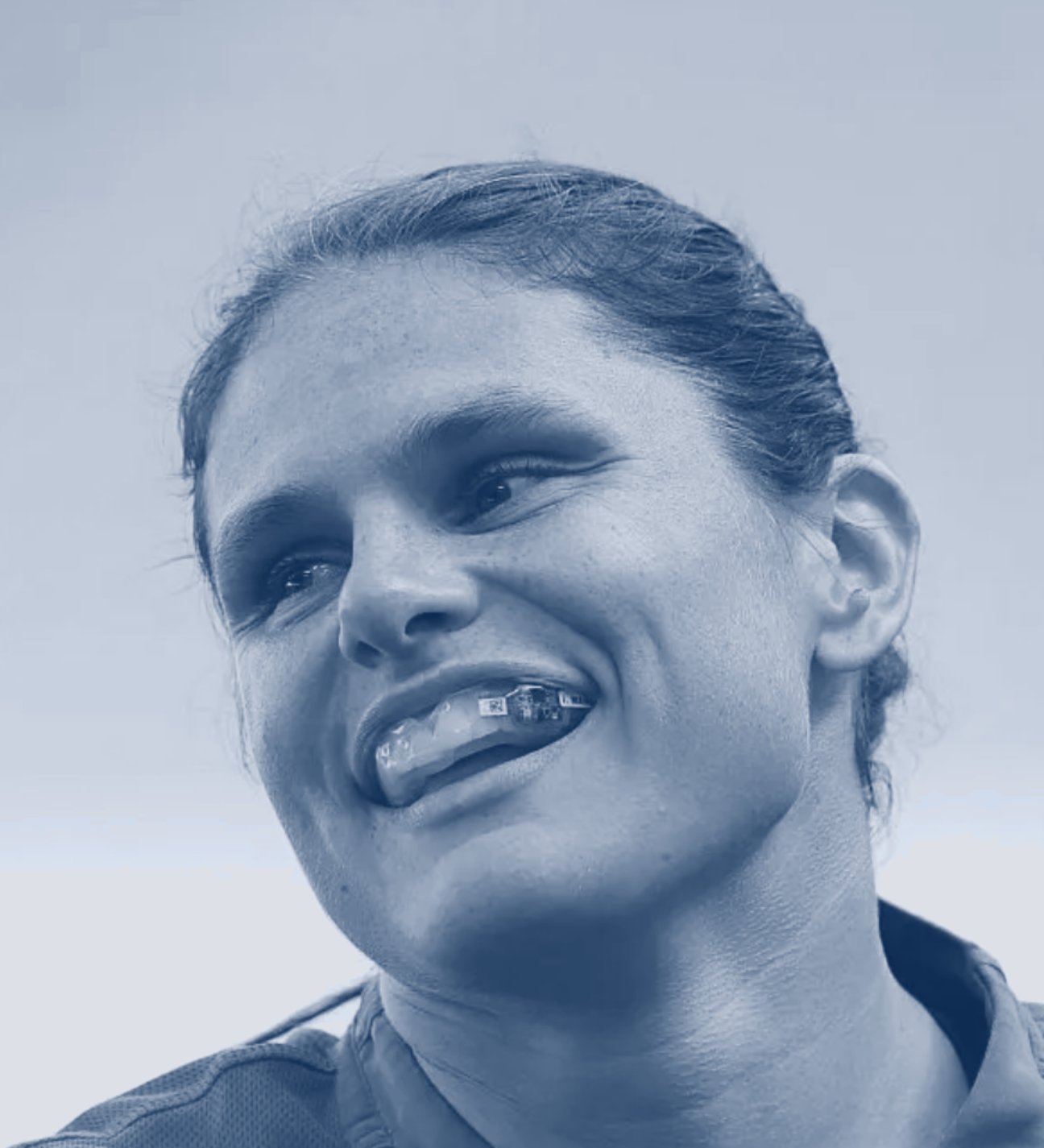
In our last post, we talked about why head impact monitoring matters: most concussions don't look dramatic, more than half go undetected, and the minutes right after an impact matter enormously for recovery. So how does The Prevent instrumented mouthguard (iMG) actually solve that problem?
Let's open it up and look at what's happening, step by step, from the moment an athlete receives a head impact to the moment someone on the sideline knows about it.
It starts with where the mouthguard sits
The mouthguard is a deliberate choice, not just a convenient place to hide a sensor. The upper jaw is rigidly connected to the skull, which means a mouthguard captures head motion far more accurately than a helmet-mounted sensor or skin patch, which can shift and vibrate independently of the skull itself. If you want to measure what an athlete's head actually experienced, the upper teeth is the best place in the body to do it.
Athletes can wear either a custom-fitted mouthguard, made from a dental scan, or a "boil-and-bite" version that fits in about a minute - similar to a standard sports mouthguard, but built around the sensor. Elite athletes and programs with dental support tend to prefer the custom fit; community and school programs often go with boil-and-bite for convenience. Either way, the electronics are fully sealed against chewing, moisture, and the general abuse a mouthguard takes over a season, and the devices are biocompatibility tested and certified to consumer wearable safety standards. The system is approved for athletes age 10 and up.
What the sensor actually measures
Inside the mouthguard is a set of motion sensors that continuously track how the head moves. When a hit occurs, the system captures:
This combination matters because a hard, straight-on hit and a glancing, rotational hit can affect the brain very differently, even at similar force levels. Capturing both linear and angular motion gives a much fuller picture than either measurement alone.
Telling a real head impact from a fake one
Here's a problem you might not expect: mouths do a lot of things that aren't head impacts. Athletes clench their jaw, chew on the mouthguard, drop it, place it in their sock/pocket or bite down hard out of frustration or effort. A sensor that simply reacts to sudden force would flag all of that as a valid impact, burying real impacts in a pile of false alarms.
Prevent's mouthguards use a patented approach - built around what's called a deformable body algorithm. In plain terms, the system is designed to distinguish the specific motion signature of an actual head impact from the motion signature of jaw clenching, biting, or a dropped device. This is the difference between a system that's technically "recording data" and one that's recording data anyone can actually trust and act on. It's also the kind of detail that sounds small but is the difference between a sideline alert people take seriously and one they learn to ignore.
From the mouthguard to the sideline
Once an impact is detected and crosses a pre-set threshold, here's roughly what happens next:
That last point is worth sitting with for a second: even impacts that don't trigger an alert still matter. A single big hit is one thing to watch for, but a an athletes overall impact workload (how many impacts they had in across a day, week, season) adds up too - which is exactly what we'll dig into in the next post.
The takeaway for parents and athletes
None of this is about catching every possible bump or bruise. It's about giving the people responsible for an athlete's safety - coaches, trainers, and team doctors - an objective, real-time signal instead of a guess. The mouthguard doesn't replace their judgment; it gives them better information to use it with.
What's next
In Part 3, we'll walk through exactly what data gets collected on your child's mouthguard, what those numbers actually mean, and how to read an impact report without needing an engineering degree.
This post is part of Prevent Biometrics' educational series on instrumented mouthguard (iMG) technology. Read Part 1: Why Head Impact Monitoring Matters, or continue to Part 3: What Data Gets Collected - and What It Means.
Prevent Biometrics smart mouthguards alert coaches and medical staff the moment a significant head impact occurs. Learn how it works