
Prevent Biometrics
Customer Portal Support
Validation

Head impact data you can trust.

A mouthguard that reports numbers is easy to build. One whose numbers hold up is not. Prevent has been tested in independent laboratories, published in peer-reviewed journals, checked against video on real fields of play, and adopted at the highest levels of sport - making it one of the most thoroughly validated head impact wearables available.
Research bibliography
Published iMG literature
{{ bibTotal }} - peer-reviewed articles, conference proceedings, theses and technical reports.
{{ by.year }} {{ by.count }}
{{ bi.cite }} {{ bi.cite }} Military context

Links resolve through the publisher's registered DOI. Theses, technical reports and conference abstracts without a registered DOI are listed without a link.

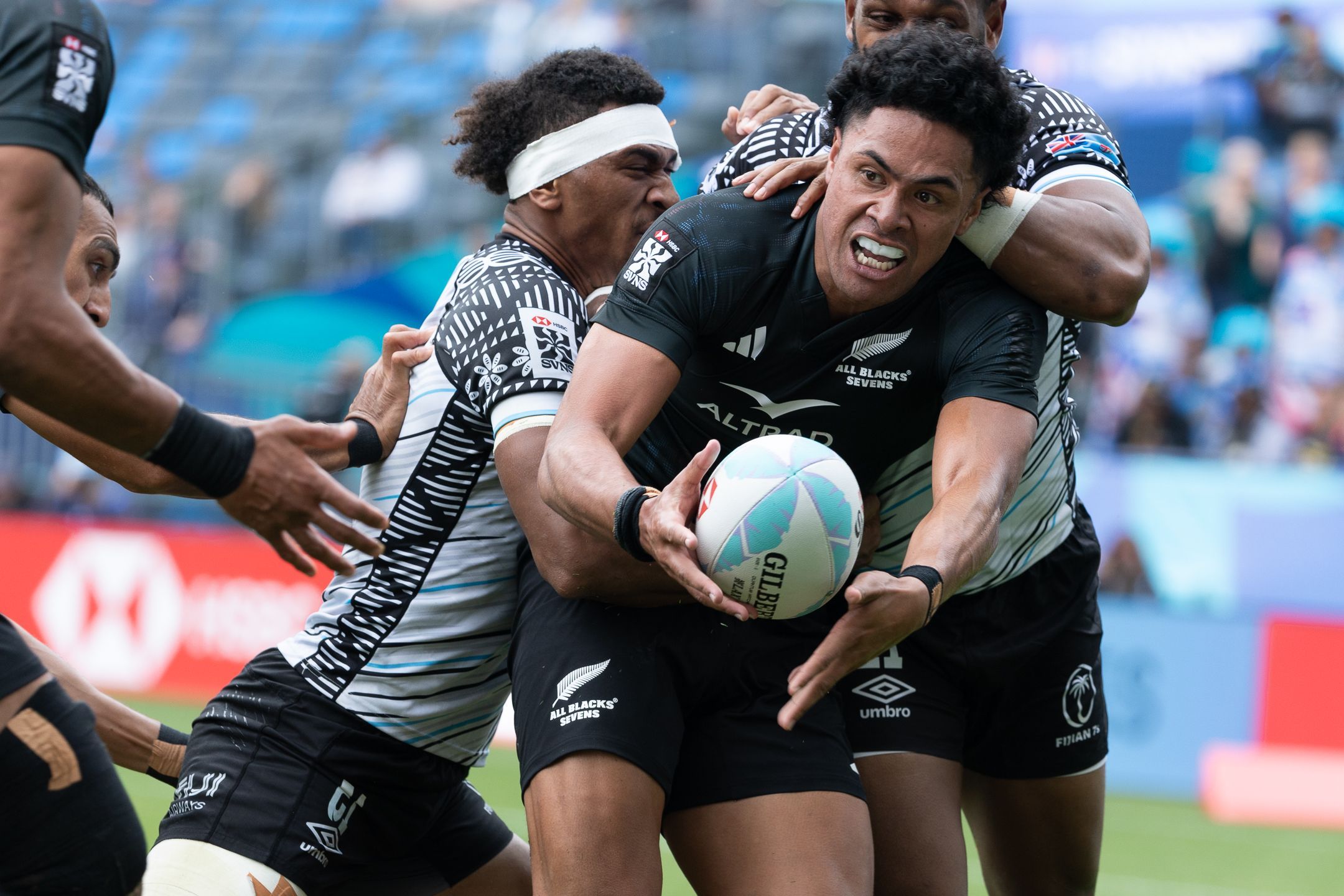
Elite rugby players in a match tackle
100+
Peer-reviewed research publications
0.98 CCC
Laboratory accuracy against reference equipment
99.8%
PPV for on-field impact identification
Millions
Of head impacts measured in real play
Elite
Adopted at the highest levels of sport
Why validation matters

Measuring a head impact accurately is harder than it sounds.

Any device with a sensor in it can produce a reading. The difficulty is making that reading mean something - and proving it, twice: once under controlled laboratory conditions, and again in the noise of a real match. Prevent has done both, independently.

It has to move with the skull
Sensors mounted on helmets, headbands or skin can shift independently of the head, which distorts what they record. Teeth are the only part of the body rigidly attached to the skull, so a mouthguard measures what the head actually did.
Proven in the laboratory
Independent labs fire controlled impacts at instrumented test heads and compare each device against research-grade reference sensors. Prevent's readings came back near-identical: 0.97 CCC for linear force and 0.98 for rotational force, on a scale where 1.0 is a perfect match.
Proven on the field
A lab result means nothing if the device cries wolf during a match. Researchers matched recorded events against match video frame by frame to confirm each one was a genuine impact rather than a chew, a shout or a dropped mouthguard - producing a 99.8% positive predictive value.
One major proof point

World Rugby put four systems through independent testing. It chose Prevent.

Before committing to any device, World Rugby funded independent research comparing the instrumented mouthguards on the market. Prevent is the only one that meets its Instrumented Mouthguard Performance Specification, and its data is now built into the on-field Head Injury Assessment process used across the elite game.

“Using the Prevent Biometrics mouthguard which has market leading accuracy… Complete game changer.”
Éanna Falvey
Chief Medical Officer, World Rugby
Read the announcement
“The team at Prevent Biometrics has developed the most advanced head impact monitor system available today.”
Joseph Maroon, MD
NFL's longest-serving neurosurgeon
The research

Published, independent, and open to scrutiny.

Prevent data appears in peer-reviewed journals across eight areas of research, written largely by independent university and hospital teams rather than by us. Every study below is linked in full.

{{ publicationTotal }}
View the full list here
{{ g.label }}
{{ g.count }}
{{ g.blurb }}
{{ p.title }}
{{ p.title }}
{{ p.year }} {{ p.journal }}
{{ p.note }}
General Inquiry
Send us a message and we'll point you in the right direction.
×
Submit a Support Request
Already using Prevent? Tell us what's going on and our team will follow up.
×