
What is a concussion? A plain-English guide for parents and coaches
This article is for general educational purposes only and is not medical advice. It is not a substitute for diagnosis, treatment, or guidance from a qualified healthcare professional. If you have concerns about a concussion you or your child may have experienced, consult a doctor. If you believe this is a medical emergency, call your local emergency number immediately.
A concussion is a brain injury - a temporary disruption to how the brain does its job. Most often it's triggered by a knock to the head itself, though it can just as easily come from an impact somewhere else on the body that shakes the head hard enough, the way a tackle in contact sport often does.
That's the whole definition. But two things about it surprise most parents.
You don't need to be knocked out
Plenty of parents and coaches assume a concussion looks like something out of a movie - a hard hit, a player who goes down and stays down. That assumption is common, and it's also wrong far more often than it's right. Fewer than 10% of sports-related concussions involve any loss of consciousness at all.¹ For the other 90%, nothing dramatic happens on the outside. A child can absorb a real, significant hit, get up right away, walk off looking totally normal - and still have sustained a concussion.
This is exactly why "he got up fine" or "she didn't even seem dazed" isn't a reliable test. It was never meant to be one.
"Mild" doesn't mean minor
You'll sometimes hear a concussion described clinically as a "mild traumatic brain injury." That word - mild - is doing a very specific, narrow job: it's distinguishing this injury from more severe brain trauma involving loss of consciousness or bleeding. It is not a judgment about how seriously to take it.
It's still a brain injury, and every concussion deserves to be taken seriously - regardless of which clinical label gets attached to it. One soft-sounding word in a doctor's note shouldn't translate into a soft response at home.²
What's actually happening inside the brain
Here's roughly what's going on mechanically: the skull stops suddenly, but the brain inside it keeps moving for a moment longer, twisting or knocking against the inside of the skull. That motion sets off a cascade of chemical activity and can put a strain on individual brain cells. The downstream result is the whole range of things a concussion can affect - thinking clearly, mood, behavior, even sleep.³
Here's the part that surprises people most: you won't see a concussion on a CT scan or an MRI. Both typically come back looking entirely normal, because nothing is structurally broken or bleeding - the disruption is chemical, happening at a level no scan is built to detect. There's no blood test for it either. A clinician diagnoses a concussion by talking through symptoms and running an assessment, not by imaging - which is exactly why what a parent or coach notices in the moment carries more weight than any piece of equipment could.⁴
How it happens in sport
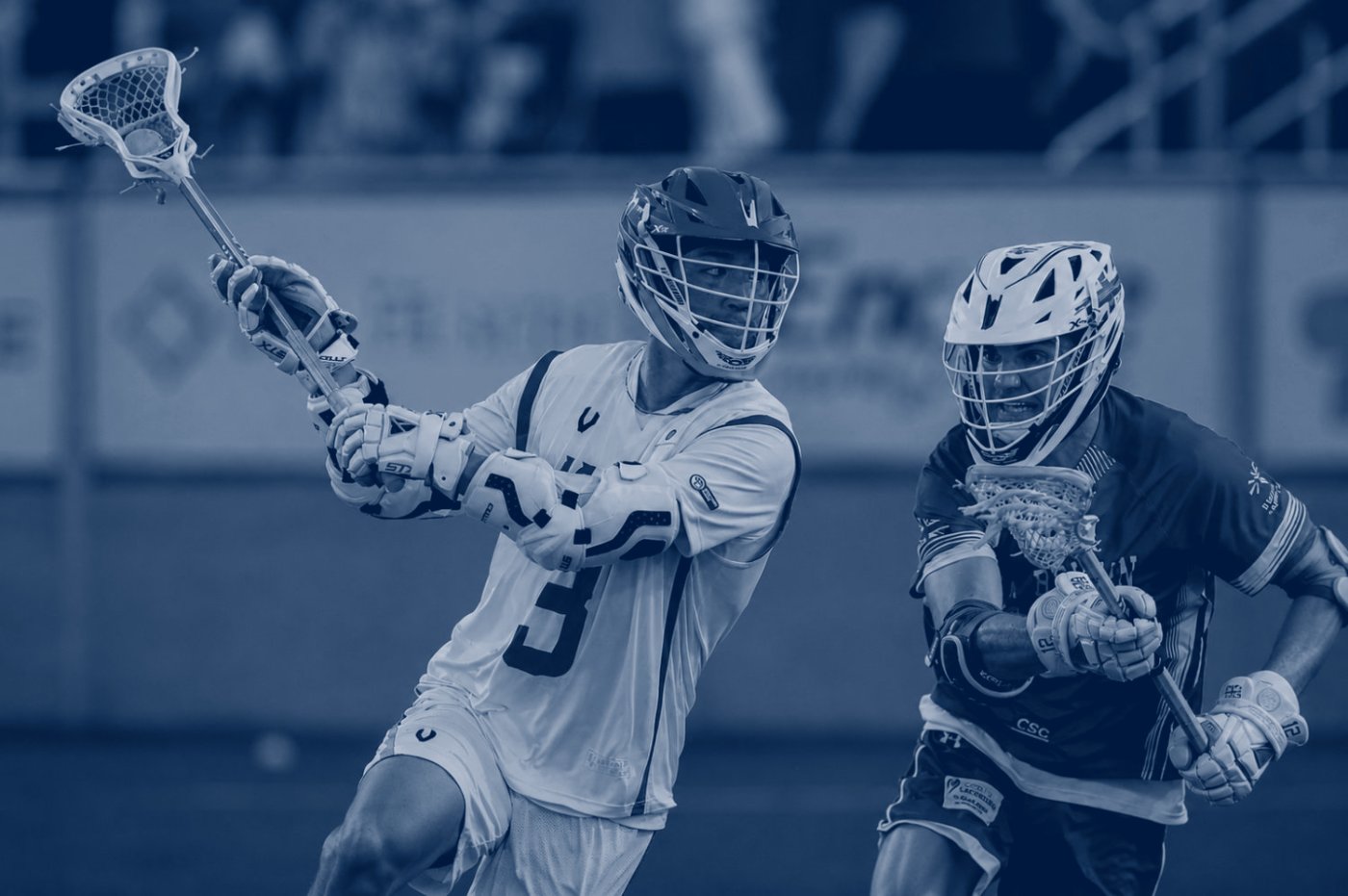
A concussion doesn't require a direct hit to the head. It can result from two kinds of impact:
Direct contact - the head itself striking something: another player's head, a ball in flight, or the ground.
Indirect contact - force transmitted to the head from an impact somewhere else on the body. Landing awkwardly on the back, catching a tackle across the shoulder, or being caught up in a pile of bodies can whip the head hard enough to cause injury, even though the head never touched anything directly.⁵
This matters if you're watching from the sideline: the hit that caused the injury isn't always the one that looked the worst.
Why kids aren't just "small adults" when it comes to this injury
A child's brain isn't simply a smaller version of an adult's - it's still under construction, which changes the risk calculation. Nerve fibers in a developing brain aren't yet fully insulated (a process called myelination), leaving them more exposed to the chemical changes a concussion triggers.⁶ The frontal and temporal lobes - the regions handling executive function and processing sensory input - don't finish maturing until the early 20s, and damage to still-developing areas carries more potential for lasting effects than the same injury in a fully developed brain.⁷
There's a physical factor at play too - a child's neck simply hasn't got the muscle strength an adult's has, so there's less resistance slowing the head down before force reaches the brain. Put together, the practical takeaway is simple - recovery timelines built for an adult athlete don't automatically apply to a child, and that's before accounting for anything else.
Where this leaves you
None of this is a reason to keep a child out of sport - the benefits of playing are well documented, and this isn't a scare story. It's a reason to know what you're actually looking for, because "no knockout" doesn't mean "no concussion," and "mild" doesn't mean "no big deal."
Next in this series: the specific signs and symptoms to watch for, in the hours and days after an impact - because this is the part that turns "know the facts" into "know what to actually do."
Prevent Biometrics smart mouthguards alert coaches and medical staff the moment a significant head impact occurs - the first step in getting an athlete assessed, before symptoms have a chance to be missed. Learn how it works
¹ Systematic review, Pediatrics - cited via CDC HEADS UP and Barnsley Hospital NHS concussion guidance
² Scottish Sports Concussion Guidance 2024; Amsterdam Consensus Statement on Concussion in Sport (6th International Conference, 2022, British Journal of Sports Medicine)
³ CDC HEADS UP - Concussion Basics (cdc.gov/heads-up/about)
⁴ CDC HEADS UP; Amsterdam Consensus Statement 2022
⁵ UK Government Grassroots Sport Concussion Guidelines (updated November 2024)
⁶ CDC Museum Teen Newsletter, on developmental vulnerability of children's brains; Queensland Brain Institute, University of Queensland
⁷ Queensland Brain Institute, University of Queensland; SportsSafe Pediatric Concussion Clinics