
Parent and Athlete FAQ: Your Questions About the Prevent iMG Technology, Answered
We've covered why head impact monitoring matters, how the technology works, what data it collects, and the research behind it. Now let's get practical. These are the questions parents and athletes actually ask once they're considering this technology for themselves or their team.
"Does the mouthguard diagnose concussions?"
No, and this is worth being clear about. The mouthguard measures the physical forces involved in a head impact - how hard, in what direction, how often. It does not diagnose a concussion. What it does is give parents, coaches and medical staff an objective signal that a particular hit is worth a closer look, so a trained professional can evaluate the athlete properly. Think of it less like a diagnostic tool and more like a very precise tap on the shoulder that says "check on this."
"Is it comfortable enough for my kid to actually wear it?"
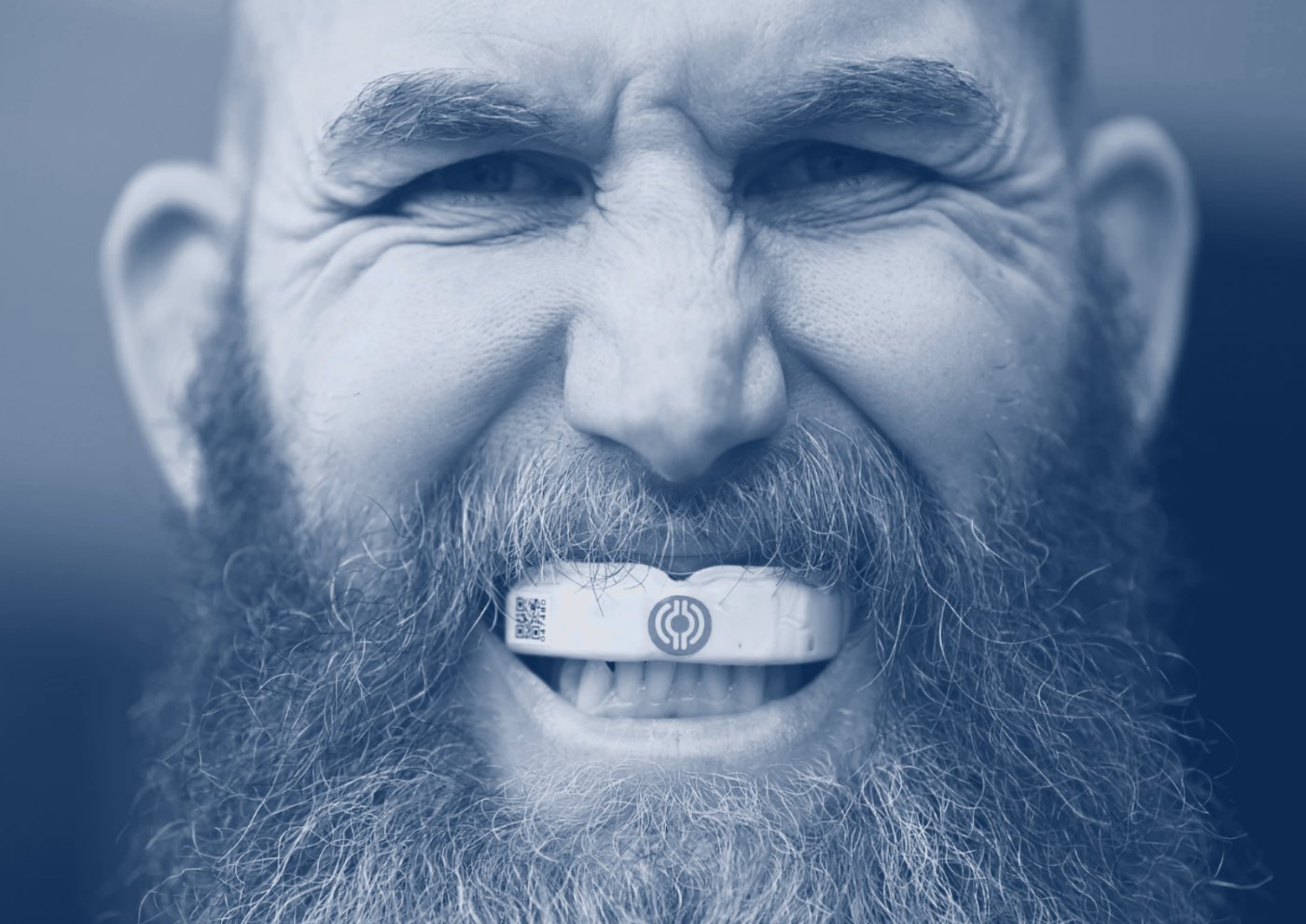
It's designed to feel like a standard sports mouthguard, not a piece of medical equipment. Athletes can choose between a custom-fitted version, made from a dental scan, or a hybrid boil-and-bite version that fits in about a minute, similar to the mouthguards most athletes already wear. Custom fits tend to be preferred by elite athletes and programs with access to dental support; boil-and-bite is a common choice for school and community programs because of its convenience. Either way, the goal is that athletes barely notice a difference from a regular mouthguard during play.
"Are the electronics inside safe?"
The mouthguards have gone through extensive independent safety testing and certification, and the components are sealed against chewing, moisture, and general wear and tear - they're built to handle exactly the kind of abuse a mouthguard takes over a season of practices and games. They're also biocompatibility tested, meaning the materials that touch your child's mouth have been evaluated specifically for that kind of prolonged contact.
"What age can wear one?"
Athletes age 10 and up are able to wear the mouthguard. It's designed to work across a wide range of sports, not just the obvious contact ones like football or hockey - the compact design has also appealed to athletes in non-contact sports who want their own exposure tracked, whether for personal peace of mind or a coach's request.
"How long does it last, and what happens if it breaks?"
Under standard care, the mouthguard is built to last about a year. If it develops a defect unrelated to normal athlete wear and tear, it's covered for replacement - so a manufacturing issue isn't something a family or team has to absorb the cost of.
"Who actually sees my child's data?"
This is one of the most important questions a parent can ask, and the honest answer is: it depends on how your child's team or school has configured their program. Currently, the data lives in an app managed at the organization level, which means access is set by whoever administers the program for your child's team - typically athletic trainers, coaches, and team medical staff. If this matters to you (and it should), ask your child's athletic department directly how access is configured, who can see individual athlete data, and how long records are retained. A program that takes this technology seriously should have clear, confident answers to those questions. As Prevent launches a direct to consumer version of the iMG, guardians will be able to set up data viewing permissions.
"Does it work with any phone?"
Currently, the system is compatible with iOS and Android devices
"Isn't this just for elite programs like the NFL or World Rugby?"
It's true that this technology has been adopted by major organizations - World Rugby, top NCAA programs, and the U.S. Department of Defense among them - but it's also used at the community, school, and preparatory level. The same underlying problem (impacts going unnoticed without objective data) exists at every level of sport where kids and teens are playing contact and collision sports. The technology scales down to a single team just as it scales up to a national governing body.
"Will this replace my judgment as a parent, or my athlete's coach's judgment?"
No - and it's not meant to. The mouthguard adds one more objective input into decisions that coaches, athletic trainers, and team physicians are already making. It doesn't replace a parent noticing their kid seems "off" after practice, and it doesn't replace a trained medical evaluation. What it does is make sure fewer impacts go completely unnoticed in the first place, so those human judgment calls have better information behind them.
The bottom line
Head impacts in youth and amateur sports have historically been caught by chance - a coach happens to see the hit, an athlete happens to mention feeling dizzy. The Prevent mouthguard technology doesn't eliminate the need for good coaching, attentive parenting, or qualified medical care. It closes the gap between "something happened and nobody noticed" and "something happened and the right person got a heads-up in time to do something about it."
If you're considering this technology for your child's team, the best next step is usually a direct conversation with your athletic department or team medical staff about how they plan to use it, who will monitor the alerts, and how they'll handle the data. Those conversations are exactly what this technology is meant to support. It is worth noting, in 2027 the technology will also soon be available for direct purchase as a parent
This concludes our five-part series on instrumented mouthguard (iMG) technology. Catch up on Part 1: Why Head Impact Monitoring Matters, Part 2: How iMG Technology Works, Part 3: What Data Gets Collected, and Part 4: The Science and Validation Behind iMG.
Prevent Biometrics smart mouthguards alert coaches and medical staff the moment a significant head impact occurs. Learn how it works